Take a look at our month-by-month rose care guide, for a handy list of yearly garden jobs!
There are a few things you need to do throughout the year to keep your roses in superb condition. Here we have compiled a quick overview of the optimal time to do each task, to help your roses to thrive.
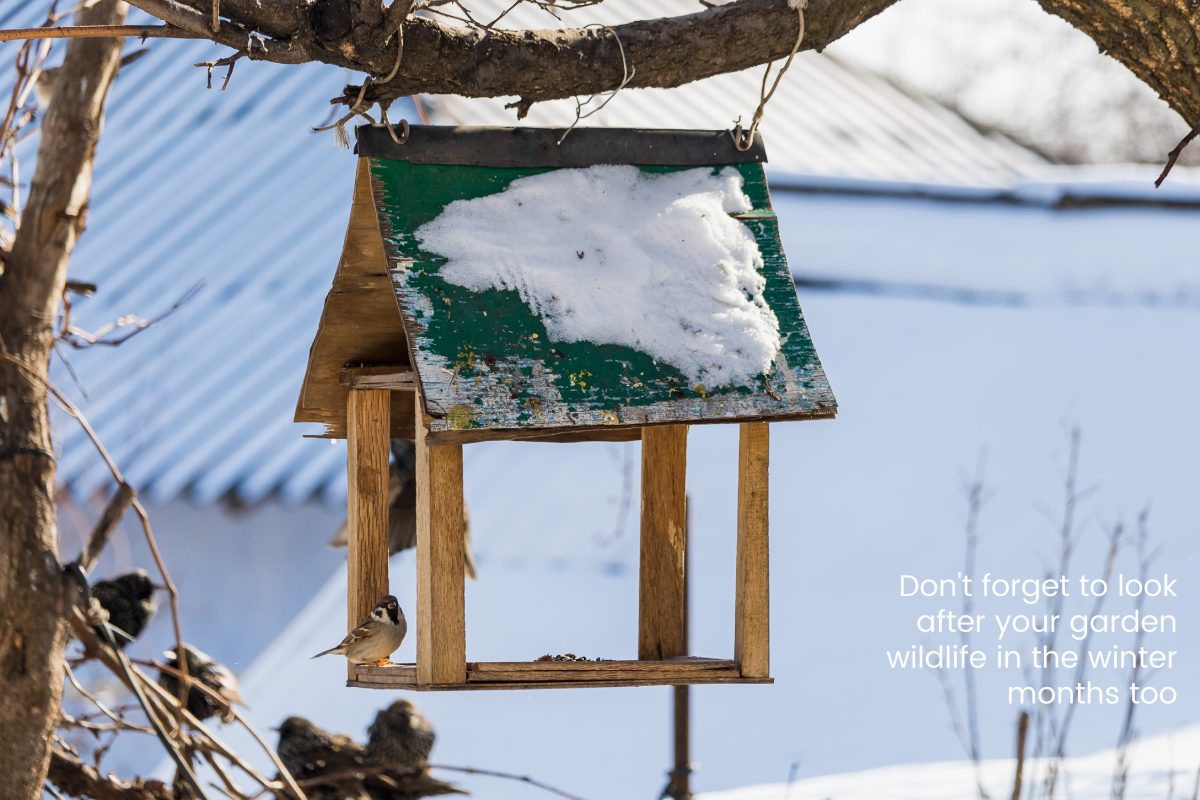
January #
Frosts are likely, so there is little to do this month.
Check any autumn planted plants to see if they have been loosened by the weather, and firm if necessary. Check supports and ties.
Prepare beds to be planted in March, and plan your summer garden.
February #
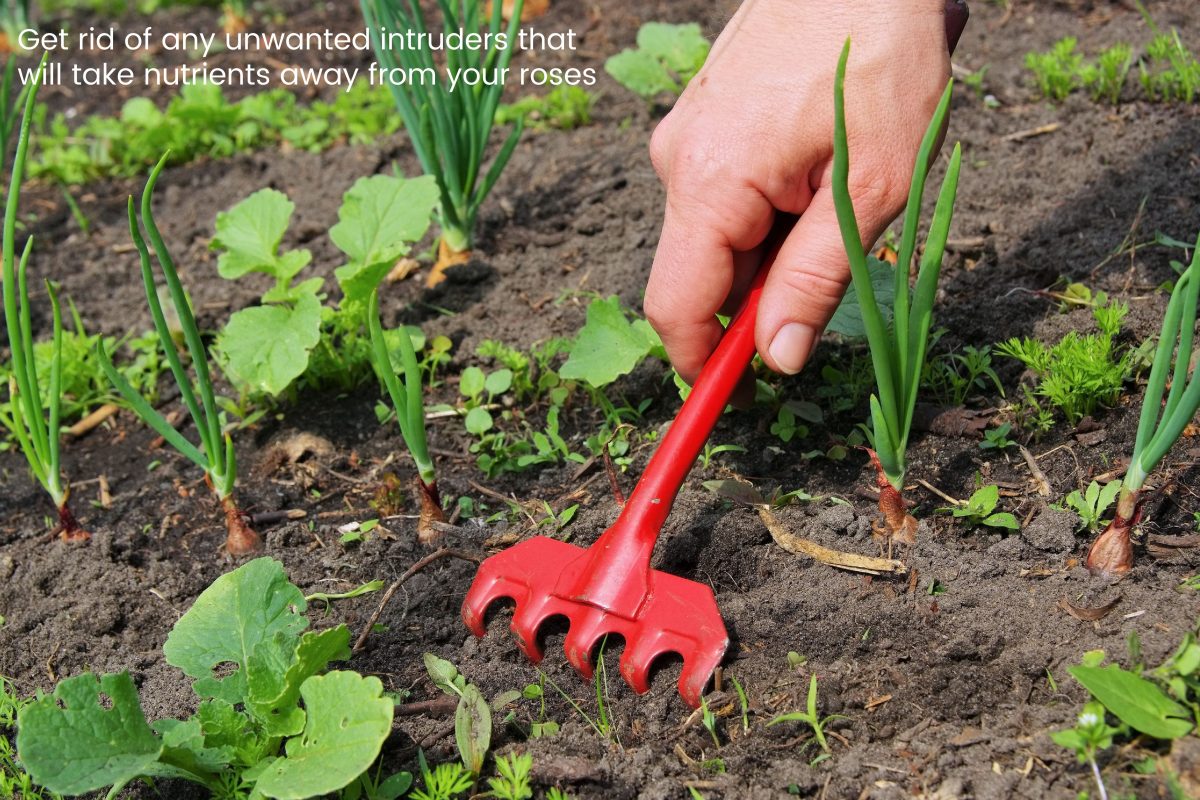
Mulching is good to start at this time of year, to help retain moisture in the soil as the season starts to warm up, and also to help suppress weeds.
An ideal time to tidy up beds, by removing any leaves and previous foliage, and also giving beds a thorough weeding.
March #
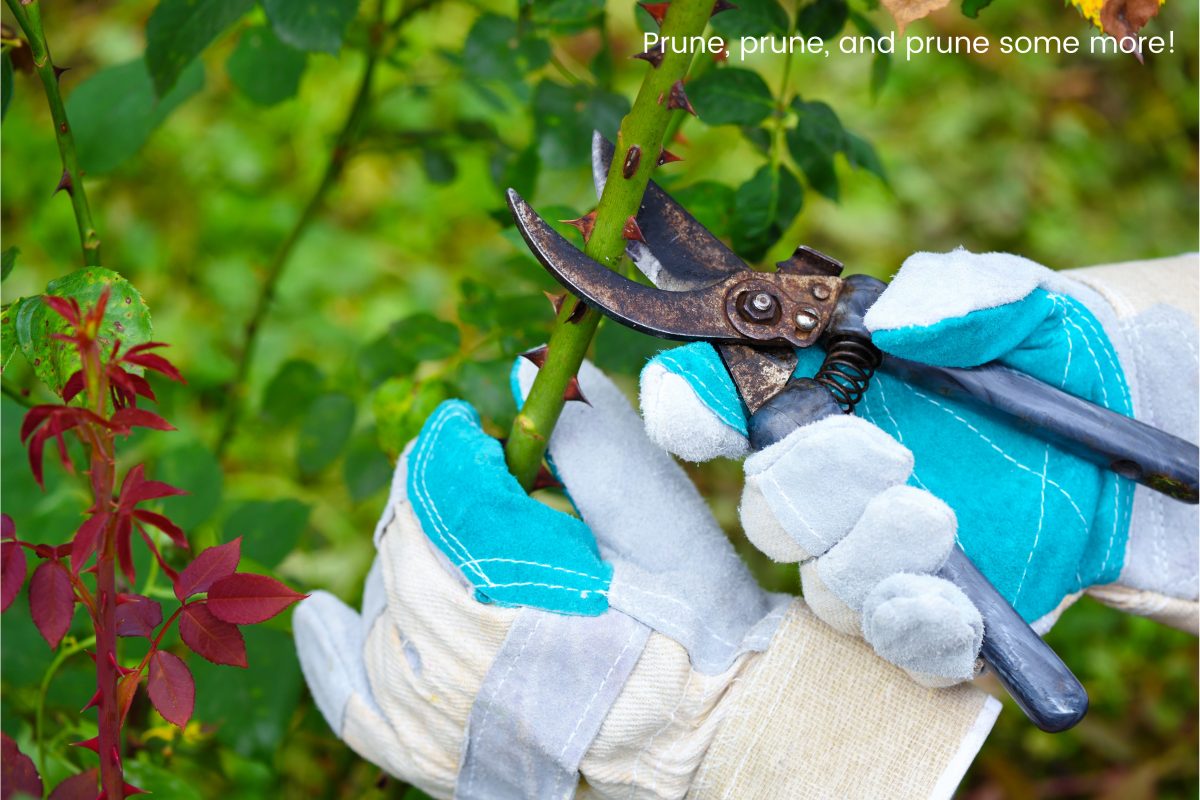
Time to prune! All bush and standard roses should receive their annual prune. Any winter damage can be confidently cut off, as you know the cold weather is behind you.
Planting of bare root roses should be completed this month, as the bare root season draws to a close.
Keep on top of weeding.

April #
Apply fertiliser to give your plants an extra boost of nutrients. Ensure to keep the powder off new growth, and lightly prick the soil surface.
Mulch straight after the first feed, in early April.

May #
Water well. As a general guide, new roses (3 months or less) should watered twice a week, established (4 months or more) every other week, and potted and containerised roses every other day.
Check for pests and diseases, which will become more common as the weather warms up. For more information on how to treat some of the most common rose problems, see here.
Liquid feed, every two weeks with a high potash feed. Roses are hungry plants as they come into the summer months, so this will keep them in excellent condition.

June #
Water well. If the weather is hot, increase watering of new roses to every other day, established plants to once a week, and potted roses to every day.
Continue to liquid feed, every other week.
Enjoy your roses as they burst into life!

July #
Water well, and continue to liquid feed.
Enjoy your roses, that should be in full flower by now.
Deadhead the flowers that have finished blooming. Not only will this give you uninterrupted enjoyment of the blooming flowers, but also encourages the plant to continue flowering.

August #
Water well, and continue to deadhead. Continue to liquid feed until late August.
Check for common issues such as rust and mildew, and treat as necessary.
With flowers in full bloom, and their fragrance at its height, this is the perfect time to cut your roses for indoor arranging. An abundance of flowers will mean that even when you cut some, there will still be plenty in the garden, and you can enjoy their beauty and scent indoors too. Cutting the still blooming plants won’t hurt the plant either – instead it will encourage more blooms to develop.

September #
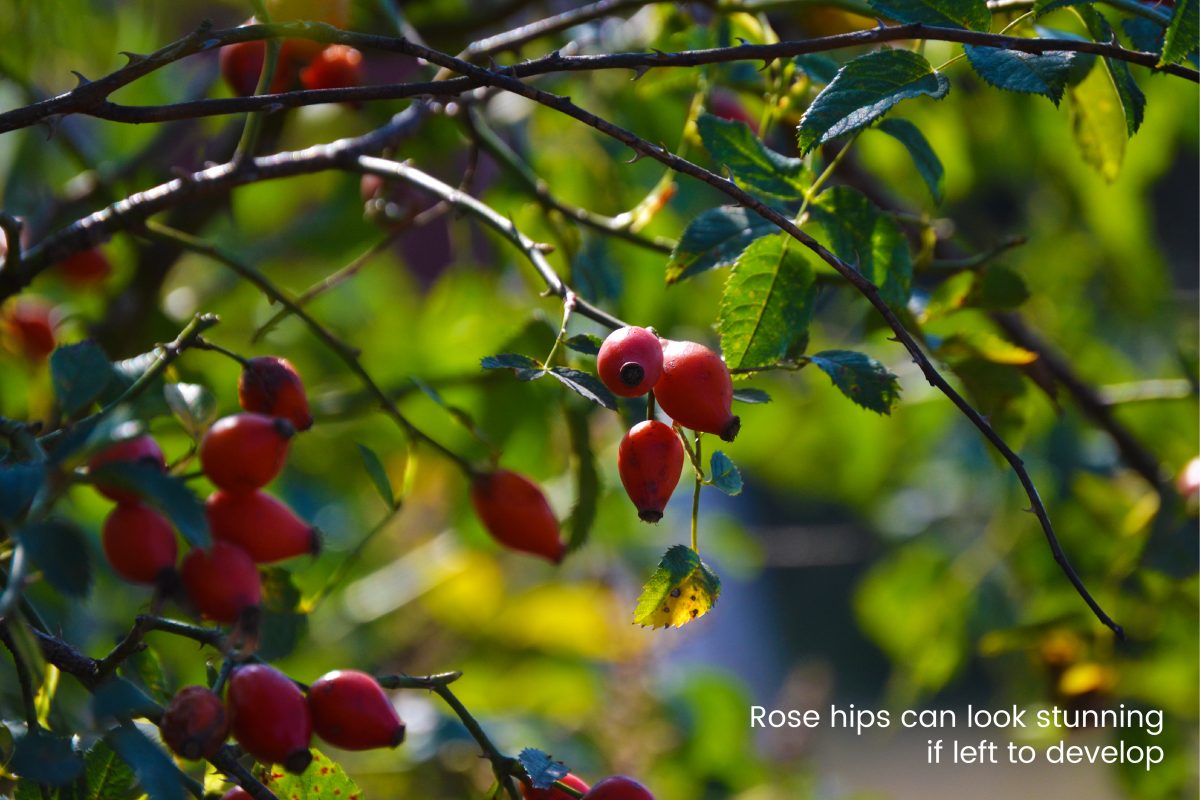
Water well, and continue to deadhead. If you have a variety that produces hips, and you would like these to grow, do not deadhead the spent blooms.
Prune any rambling roses you have.
Train your climbing and rambling roses.
October #
A few roses will continue to be flowering, but many are past the season now. Ensure you have deadheaded any non-hip producers, and finish pruning any rambling roses.
Any long established roses may benefit from a light pruning this month too. By removing the top 30cm, you can protect them from being damaged by heavy winds in the upcoming winter months. Do not prune hard though – once pruned the freshly cut tips are open to winter frosts, where they can become damaged and suffer from die-back.
Collect any leaves that are starting to fall, to eradicate any blackspot or other diseases that may have started to develop and to prevent them from entering the soil.
Prepare beds for any planting, you may want to do. Excellent time for weeding and tidying too.

November #
Plant your roses! The beginning of the bare root season, this is an ideal time to plant, before the ground becomes waterlogged or frozen.
Also an ideal time for transplanting any roses that you want to move from their position in the garden. The ground is naturally optimum for planting, and the plant is easier to handle as it has finished flowering and had leaf fall. It gives plenty of time for the plant to establish its root system over the winter, providing a more established plant that is healthy, come spring.
December #
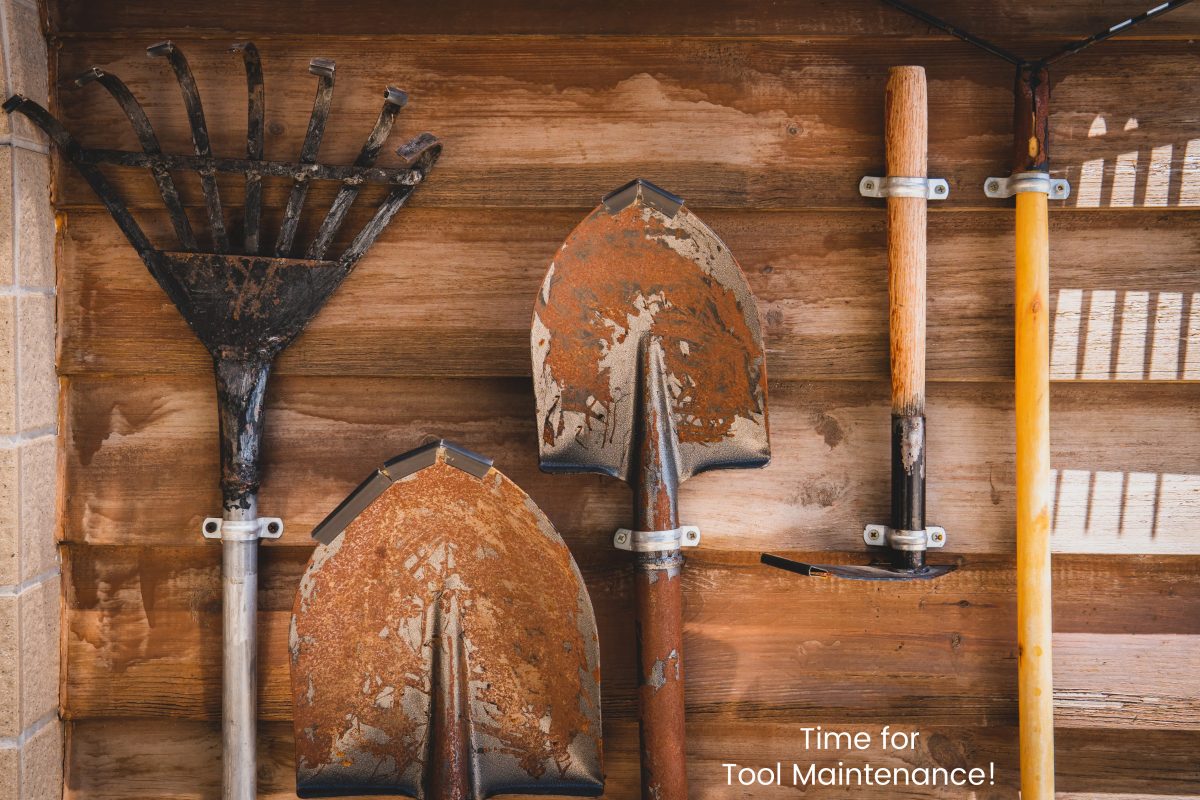
Little to do in the garden, so a perfect time to undertake regular tool maintenance. Sharpen clippers and secateurs, and check any fork and spade handles for any wear and tear.
Please note: #
Timings may vary depending on where you live. Generally, the south is milder, and may be up to six weeks ahead of those in the north. This post is a generalised overview, and should be used as only basic guidelines.