We are glad you asked! There are lots of other different uses for your rose other than admiring its beauty and aroma. If you’re looking for ideas on how to continue enjoying your rose even after the growing season has ended, look no further.
Drying out your petals #
The petals on your rose aren’t just beautiful to look at, but some also smell wonderful as well. Drying out your petals is a great way to hold on to their scent and put them to other uses and heres some different ways to do it.

Air Dry – Ideal for preserving colour and fragrance. #
- Step 1- Carefully remove the petals from the flower head. We advise the best time to be early morning before the sun gets too hot when the bloom is around three-quarters opened.
- Step 2- In a single layer, lay them on a clean surface like parchment paper and place them in a well-ventilated, dark room.
- Step 3- Allow them 1-2 weeks to dry out, turning them occasionally. Once completely crisp, store them in an airtight container.
Oven Dry – A quick method #
- Step 1- Preheat your oven to its lowest setting (around 180°F or 80°C)
- Step 2- Lay the petals out on a baking tray lined with parchment paper
- Step 3- Bake for around 10-30 minutes, checking every 5 minutes until crisp. We advise to leave the oven door slightly open to allow moisture to escape. Do not overheat as this can turn the petals brown.
- Step 4- Allow the petals to cool completly before storing them away.
Microwave Drying – Ideal for smaller batches #
- Step 1- In one single layer, place the petals between 2 sheets of paper towel.
- Step 2- Microwave on a low heat for 1 minute and check. Continue in 15-30 second intervals until they are completly dry.
- Step 3- Cool and Store
Book Pressing – A great method for a keepsake #
- Step 1- Place the petals in a single layer between 2 sheets of absorbent paper. Parchment works best.
- Step 2- Put them inside a heavy book or underneath a stack of books.
- Step 3- Ideally they want to be left in a location that is dry and well ventilated for around 2-4 weeks. Checking them now and then is key to make sure the paper hasnt absorbed moisture and is damp. If this occurs, replace the paper and continue to wait. Patience is key with this method.
- Step 4- Once you are happy with the petals, they can be stored between fresh paper inside an airtight container.
Ideas For Fresh And Dried Petals #
Potpourri #
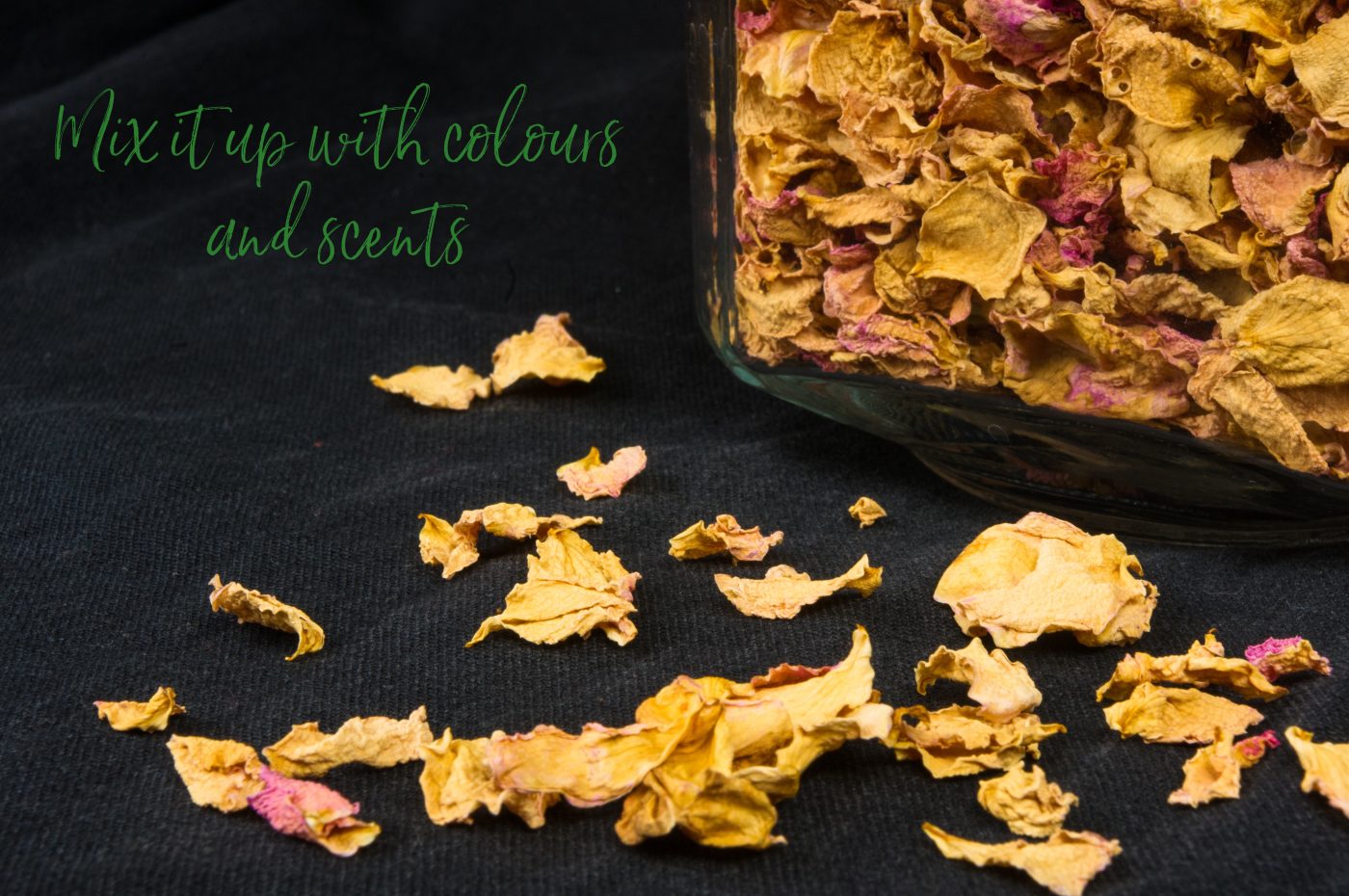
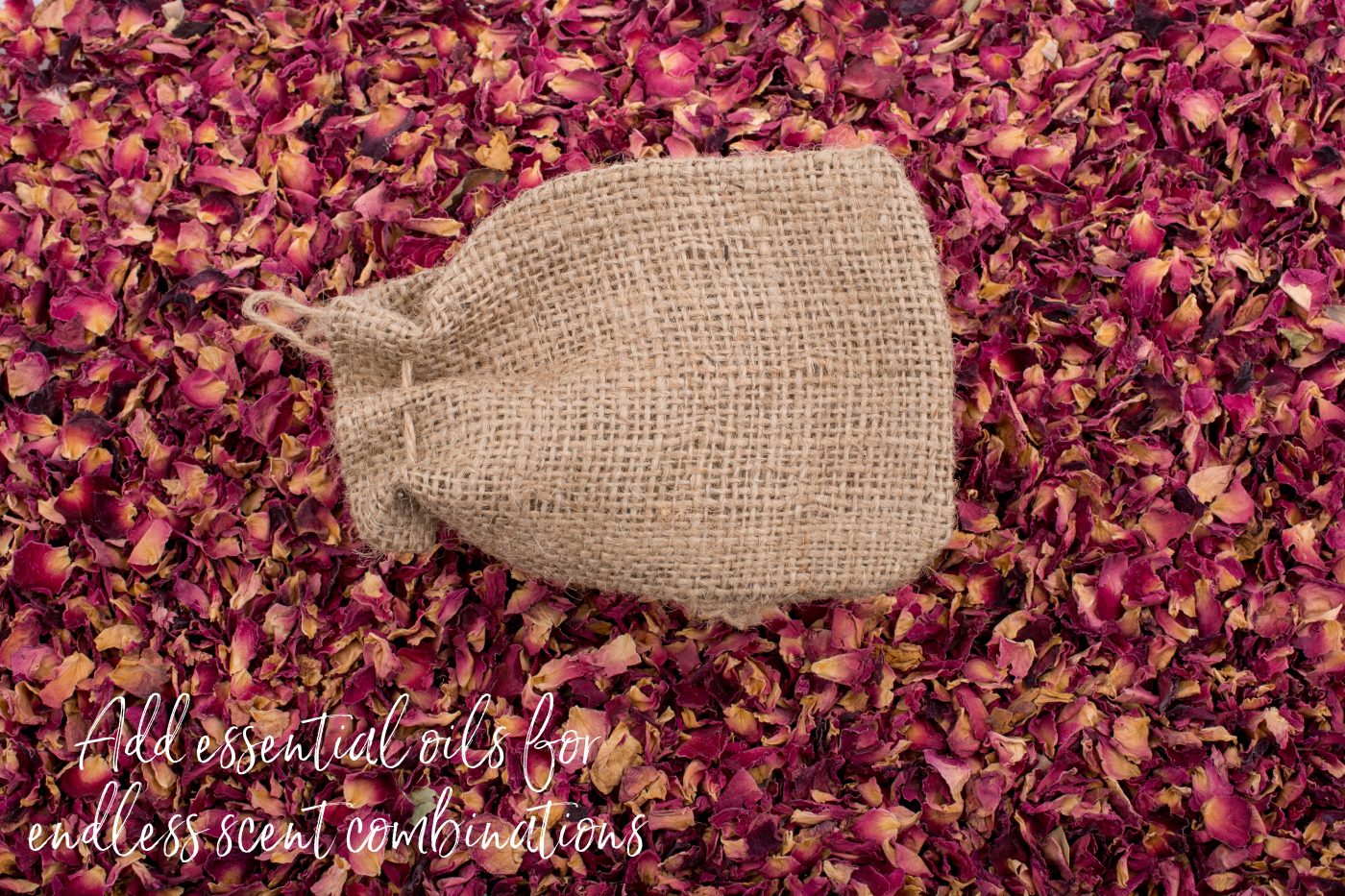
You can combine your dried petals with other ingredients such as essential oils, herbs and spices for delightful fragrances for your home. Lavender would be a great addition for a more calming environment, it may even encourage a better nights sleep. Or why not make a festive batch by adding more seasonal scents like Cinnamon, Orange peel or Cloves. The possibilities are endless.
Fragrance sachets #
Keep your laundry smelling fabulous by adding petals from some of our lovely scented roses to a small fabric bag. Tucking them into the drawer with your clothes will give them a burst of fragrance or you could even hang them in your car for a natural air freshener. We have many Roses to choose from with beautiful scents like the award winning Rachel Rose with its rich and sweet perfume, Or even the aptly named Scent From Heaven Rose with a lovely fruity fragrance. Find more of our scented roses here
Arts & Crafts #
Whether you’re an avid crafter or maybe you just like to get creative in your spare time, Rose petals can make for great decorations. They work well with resin which can be used to make all sorts of goodies like jewellery, paperweights, ornaments or keychains. You can even get the children or grandchildren involved and create textured pictures using the petals for added effect. Fancy giving handmade candles a go? Rose petals can be added to the wax for a fragrance or even just as decoration (we advise lighter/pinker ones for this as the surface may darken over time and not be as aesthetically pleasing) If you have a wedding coming up, why not conjure up your own confetti. Both dried or fresh petals work for this and not only look lovely but are also eco-friendly and biodegradable. The list really does go on!

Beauty And Skincare #
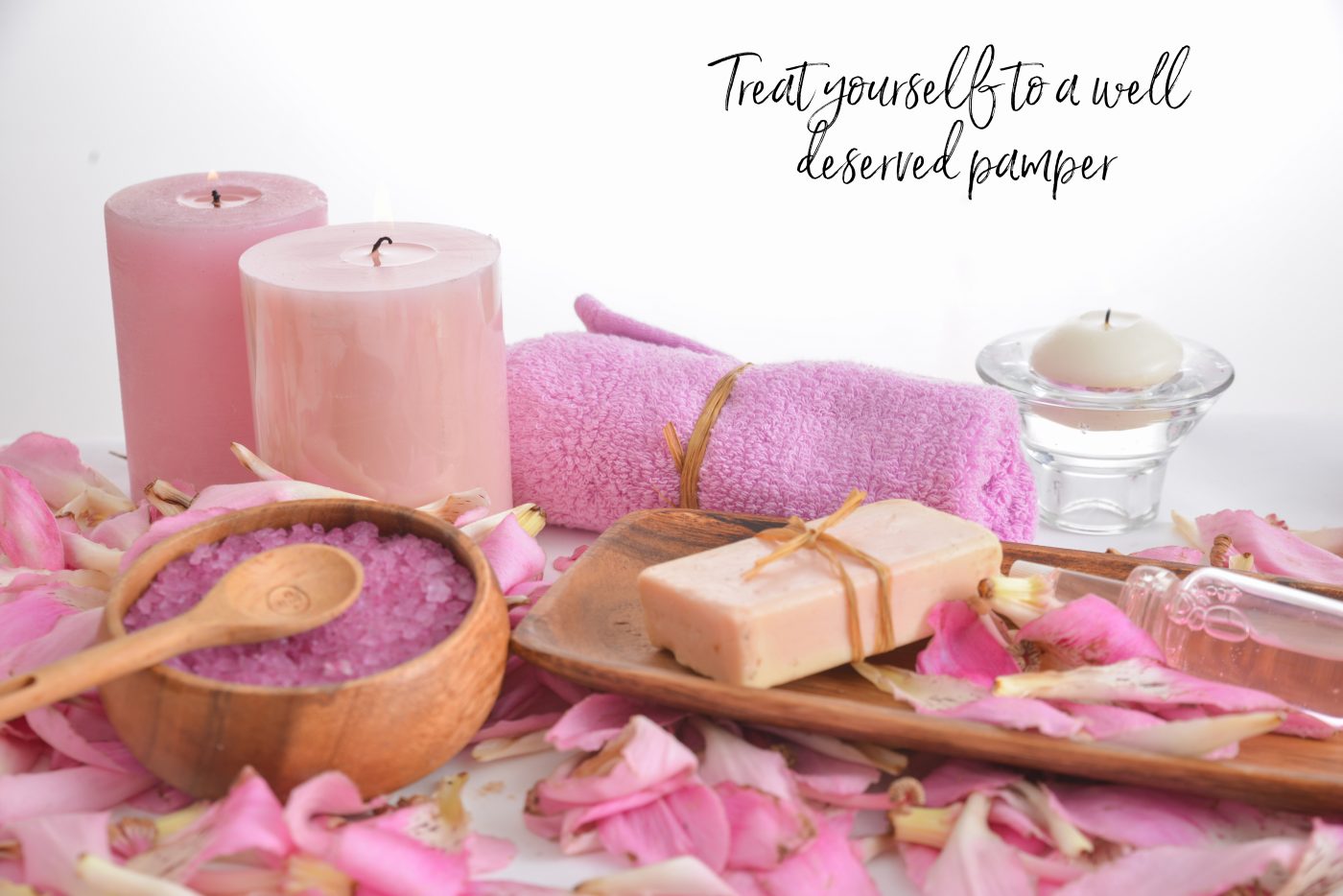
For many years people have used natural resources for skincare, and roses in particular have become very popular. Roses are prized for their soothing properties and contain vitamin C, antioxidants and anti-inflammatory properties which are all very beneficial for the skin. You could make items such as face masks, made by mixing crushed rose petals with other natural items such as honey or even yoghurt for a lovely glow. Rose water, from infusing distilled water with rose petals, which can make a refreshing toner that is gentle on the skin. Or even an exfoliating sugar scrub that you could rustle up with 1 cup of sugar, half a cup of coconut oil and 2 tbsp of dried rose petals. We advise to test a small patch of skin when using roses in your skincare routine incase of any allergies.
Food And Drink #
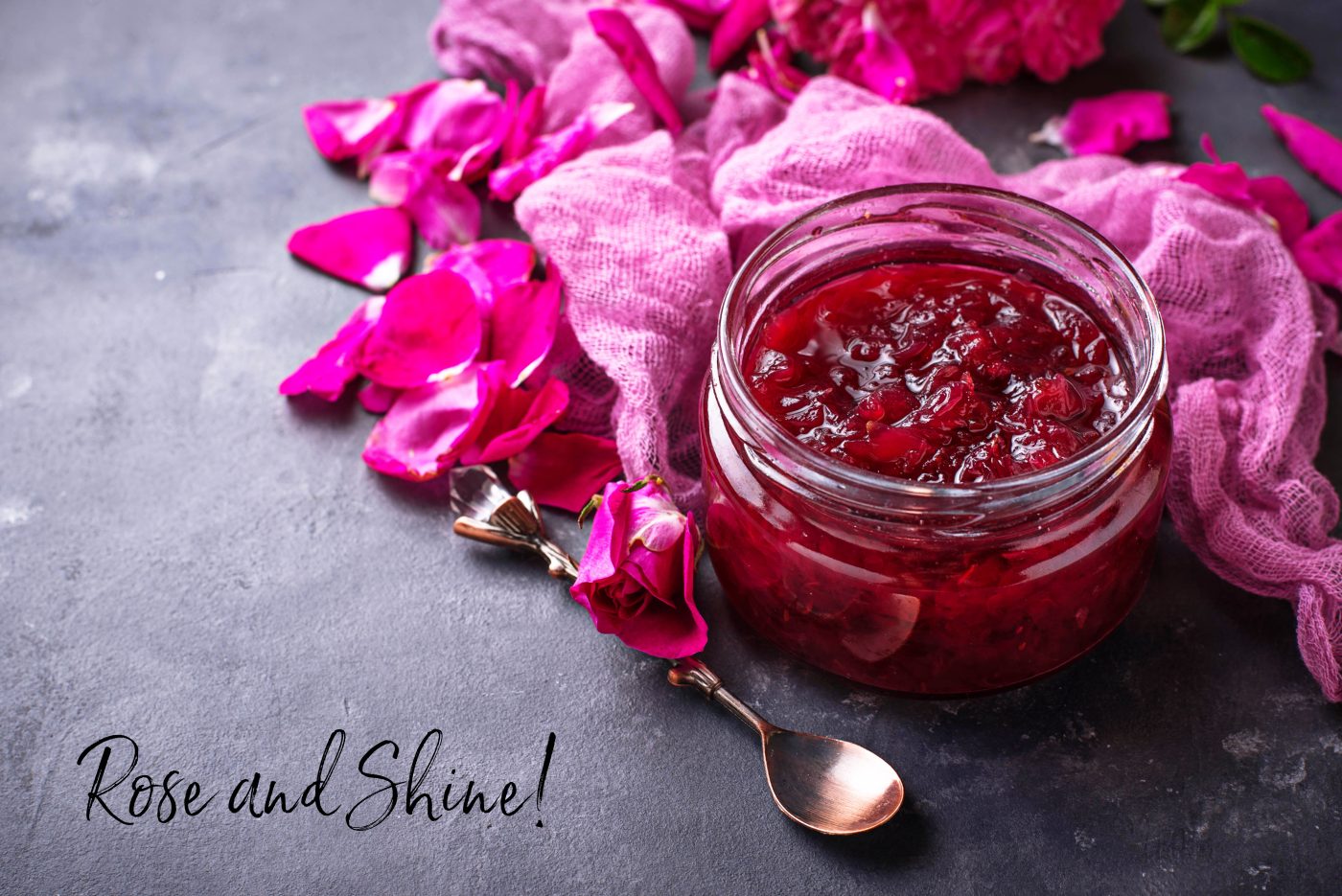
Believe it or not, Rose petals are actually edible (as long as they’re grown organically and are free from chemical sprays or pesticides) We would advise using dried petals for a stronger taste, however a little does go a long way. If you like a milder flavour we would suggest using fresh petals. They can be used just as a garnish on the side of a main meal or as decoration on a dessert. Other options are Rose honey which just requires you to stir in dried petals and let them infuse for added flavour to the sweetness. Rose jam is also popular choice, as is Rose butter for a delightful enhancement to your afternoon tea. And it doesn’t stop there. There are also different drinks you can try like Rose tea, Rose lemonade or if you’re feeling wild, Rose cocktails! they pair lovely with Gin or Vodka.
Other Than The Petals, What Other Parts Of My Rose Are Useful? #
Rose Hips #
After the flowers have faded, the Rose plant grows a fruit (or seed pod) called a “hip”. We often don’t see these as most rose growers prune down the rose to encourage more flower growth, and to stop the rose from using energy growing hips. However, most rose plants will produce hips if left to their own devices, and these can be stunning in themselves. In particular, rambler roses that have been grown through hedging or trees look eye catching with the small bright fruits showing through the greenery.
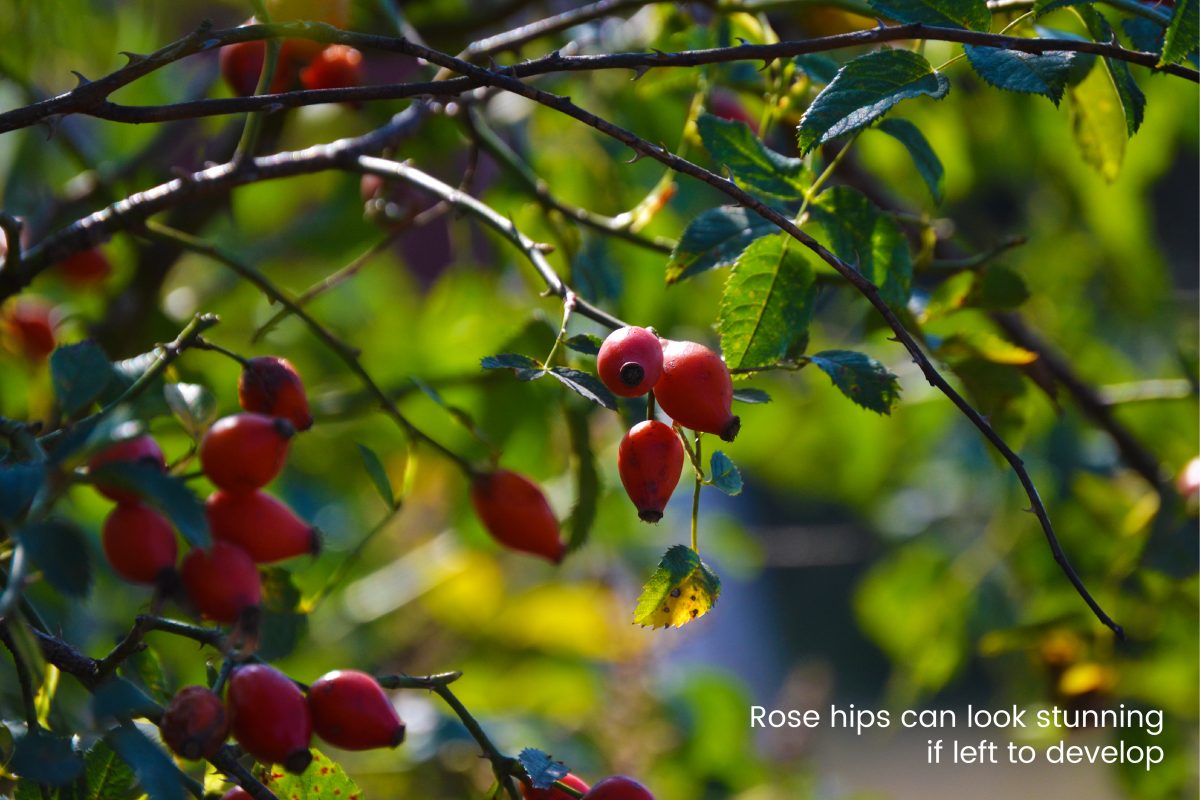
Rose hips come in all shapes and sizes; rounded and elongated, small and large, red, orange, purple and black, and some are even prickly. If you leave your spent flowers on the rose at the end of the season, the small berry-like seed balls will develop on the tips of the stems. Not only do birds enjoy these delicacies, but they are safe for humans to eat too! Roses are in the same family as apples and crab apples, and their fruits bear a strong resemblance to these plants. Rose hips have the tart flavour of crab apples, and are a great source of vitamin C.
How to Harvest And Prepare Rose Hips #
If you are going to use rose hips for ingesting, please ensure that you avoid roses that have been treated with pesticides and other chemicals.
The ideal time to harvest is after the first light frost has nipped the leaves, but before a hard frost that freezes the hips. A light frost will help sweeten the hips, and waiting until the colder weather will ensure the rose doesn’t try and send out new growth, which would be killed back at the next frost anyway.
Hips should be firm and have a good colour (usually red or orange at maturity, but this depends on the rose variety). Leave any shrivelled or dried rose hips on the plant for the birds to enjoy; they won’t be as tasty for you and may even be too mushy to pick.
Wearing gardening gloves use the tips below to prepare your rose hips-
- Wash the hips thoroughly
- Using scissors or a sharp knife, trim the stem and blossom ends from the hip
- Slice in half to expose the seeds
- Scrape or scoop out the seeds, and discard them
- Rinse again in a colander
Your hips are now ready to use, or to be dried or frozen ready for future use.
You are able to use the rose hips whole, but the seeds inside have a hairy covering that can be irritating, so for most recipes it is best to remove them prior to eating. If using a recipe that calls for the straining of the hips, the removal of the seeds can be skipped, as they would be filtered out anyway.
Rose Hip Tea #
Our favourite recipe, and also one of the simplest, is for rose hip tea. It also gives you a great indicator as to whether you enjoy the flavour, and wish to harvest greater quantities.
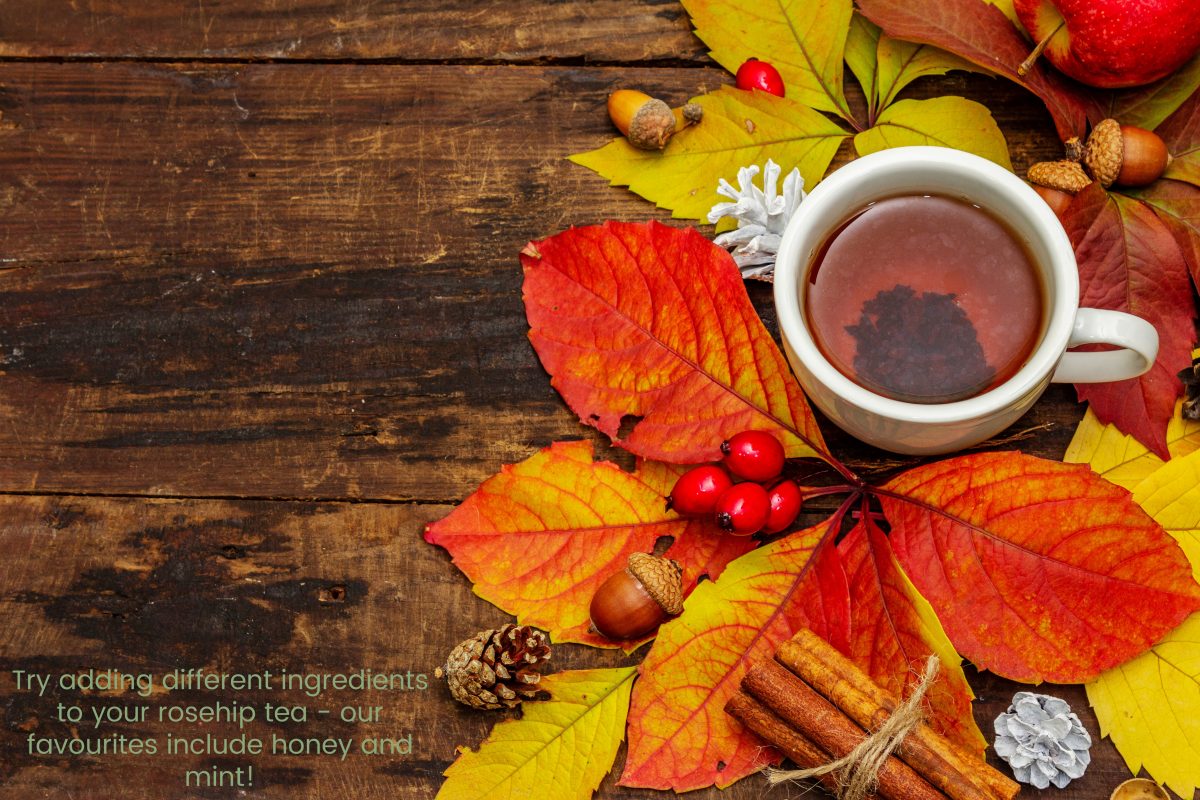
Simply steep approx 8 fresh rose hips in boiling water (you will need about double if using dried hips) in a cup of boiling water for about 10 minutes, strain and enjoy.
Rose hip tea can be a tad tart or bitter, especially if you’re not used to the flavour. We like to add a dash of honey to sweeten the tea, and a couple of mint leaves to lighten it. Or you can always add your own additions, according to your personal tastes. The possibilities are endless!
We’d love to see what you create using your rose! Why not tag us in your creations on Instagram or Facebook