What types of roses are there? #
There are several different types of roses, with different features and likes and dislikes. Here at English Roses we sell Floribunda, Hybrid Tea, Patio, Climbing and Rambling roses, as well as a small selection of historic, old fashioned roses. We also offer our roses potted in large 5.5L pots, or gift planted into our 14L willow basket. The handy guide below will break down the main differences in the type of roses, so you can choose the best one for you.
How do I choose a rose? #
Overall, the type of rose that you get will still need all the basic care; food, water, a good soil, and space for growing in. All of our roses can be planted in the ground or in a container, although some larger varieties may need re-potting more regularly if they outgrow their pot. The way you prune them varies slightly, but mainly it is to do with the area they are best suited to growing in. Keep reading to find our which rose is best for you.
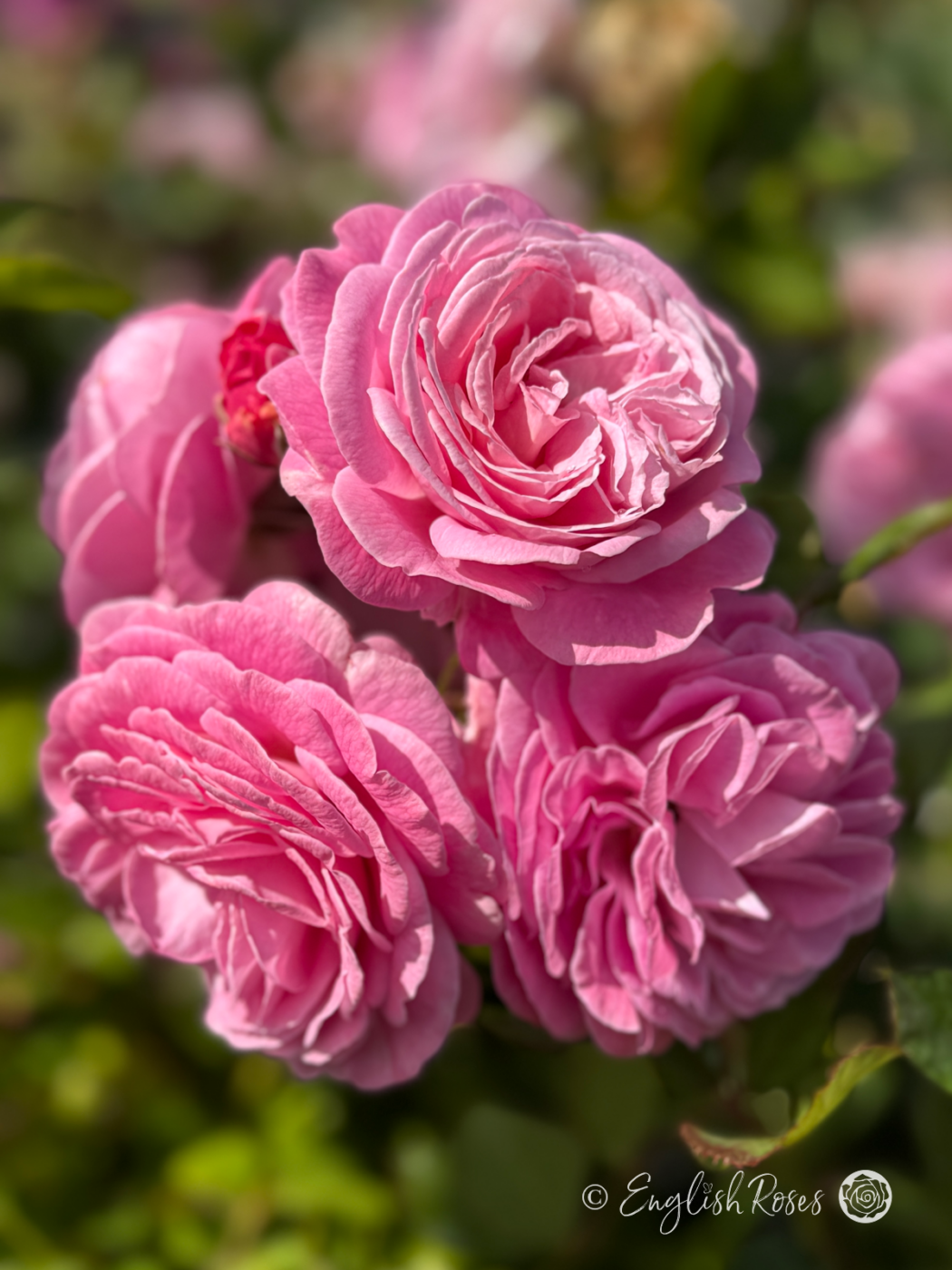
Floribunda Roses #
Features: A version of the modern bush rose. Floribunda roses have flowers in large clusters, usually with cup shaped blooms. These are popular due to their large clusters of blooms and long flowering season.
Planting: Ideally suited to beds and borders, these can also look wonderful in large containers.
Pruning & Deadheading: Floribundas will repeat flower throughout the season, so deadheading will encourage more flowers to be produced. When pruning, this variety is easy to take care of. Simply prune down in the spring to half their height, remove all dead wood, and that’s the job finished!
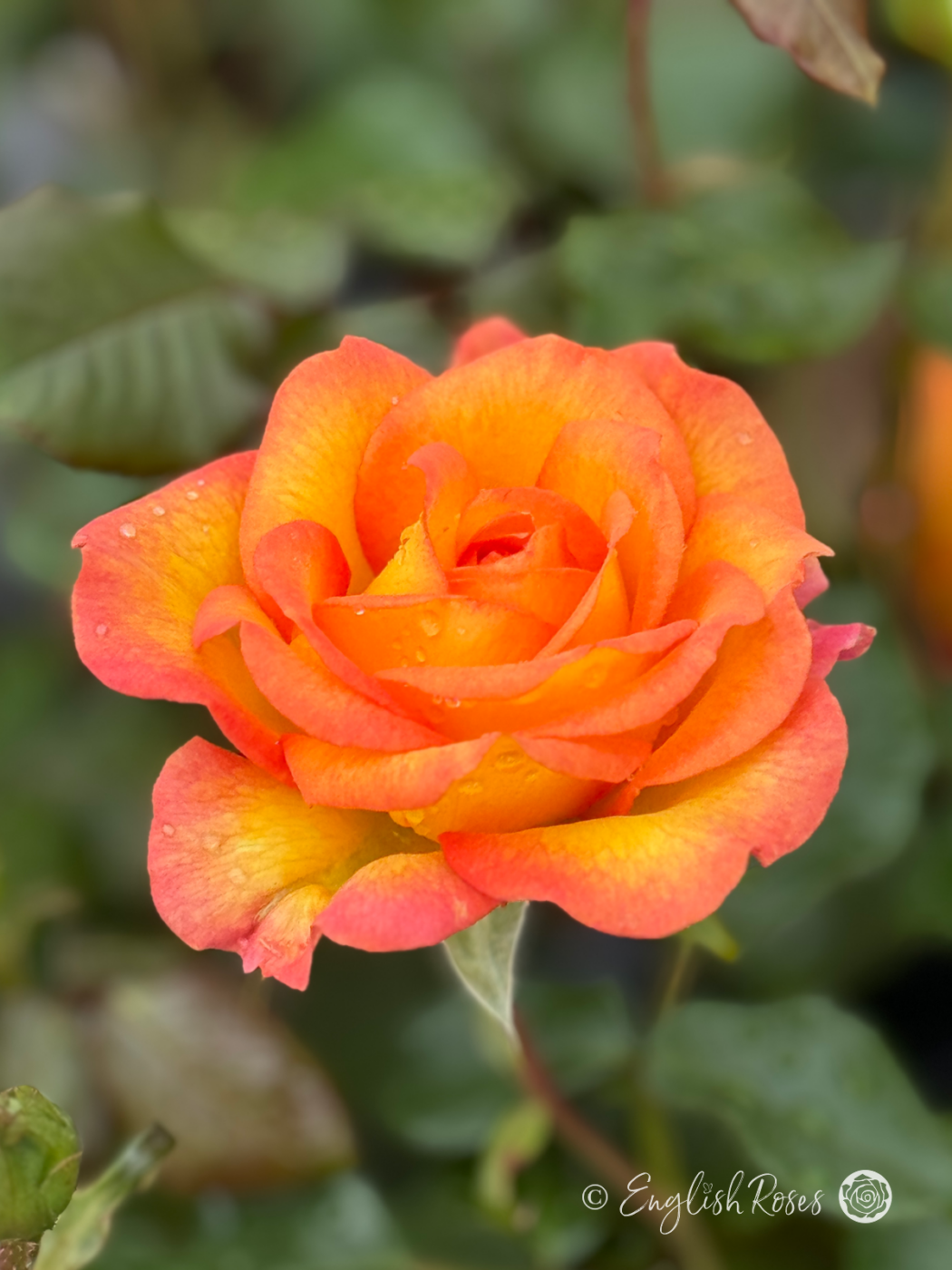
Hybrid Tea Roses #
Features: Also a version of the modern bush rose. They tend to have larger and more scented flowers than a Floribunda, held in singles or small clusters. Their shapely blooms and long stems mean they are a favourite for cut displays.
Planting: As with the Floribunda, Hybrid Tea roses are also wonderful in beds, borders and containers.
Pruning & Deadheading: Hybrid Teas are very similar to floribundas, as they both originated from the bush rose. As Hybrid Teas will repeat flower, they benefit from regular deadheading throughout the season. Once the frosts have finished in early spring, prune down to half their height and remove any dead wood.
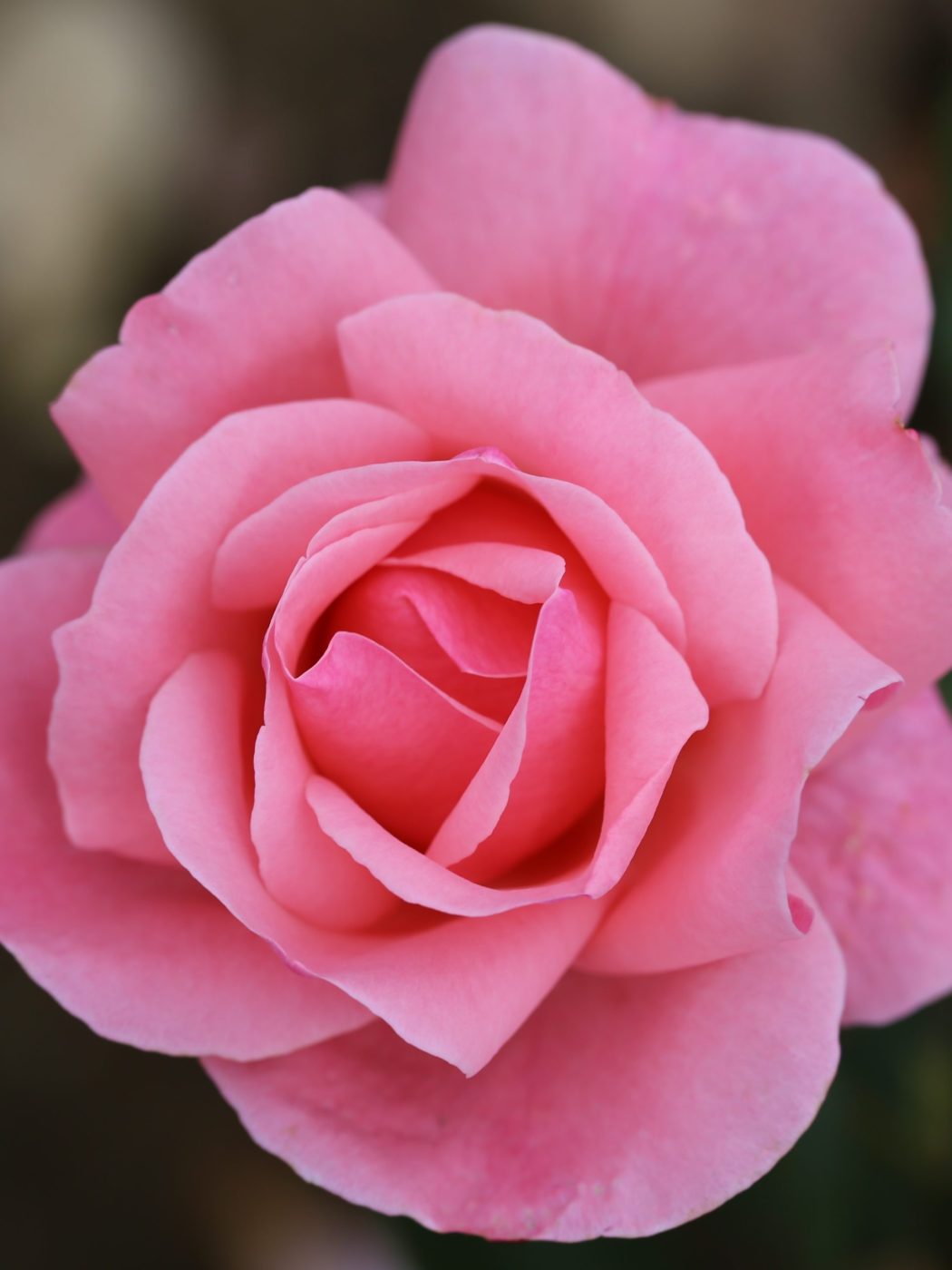
Grandiflora Roses #
Features: A cross between a Hybrid Tea and a Floribunda. These combine large and shapely blooms held on strong stems, with abundant clusters of flowers, into a large and bushy, eye-catching rose. The flowers are also ideal for using in cut displays. Queen Elizabeth Rose was the first Grandiflora to be developed, in 1954 celebrating the coronation of Queen Elizabeth II.
Planting: Tall and bushy, Grandiflora roses make an eye-catching statement at the back of borders or alongside fences, walls and hedging.
Pruning & Deadheading: As a repeat flowerer, regular deadheading throughout the flowering season will encourage the production of more blooms. Growing large and bushy, give these roses a good prune in early spring once the frosts have finished, to reduce to your desired height and tidy up any stray stems.
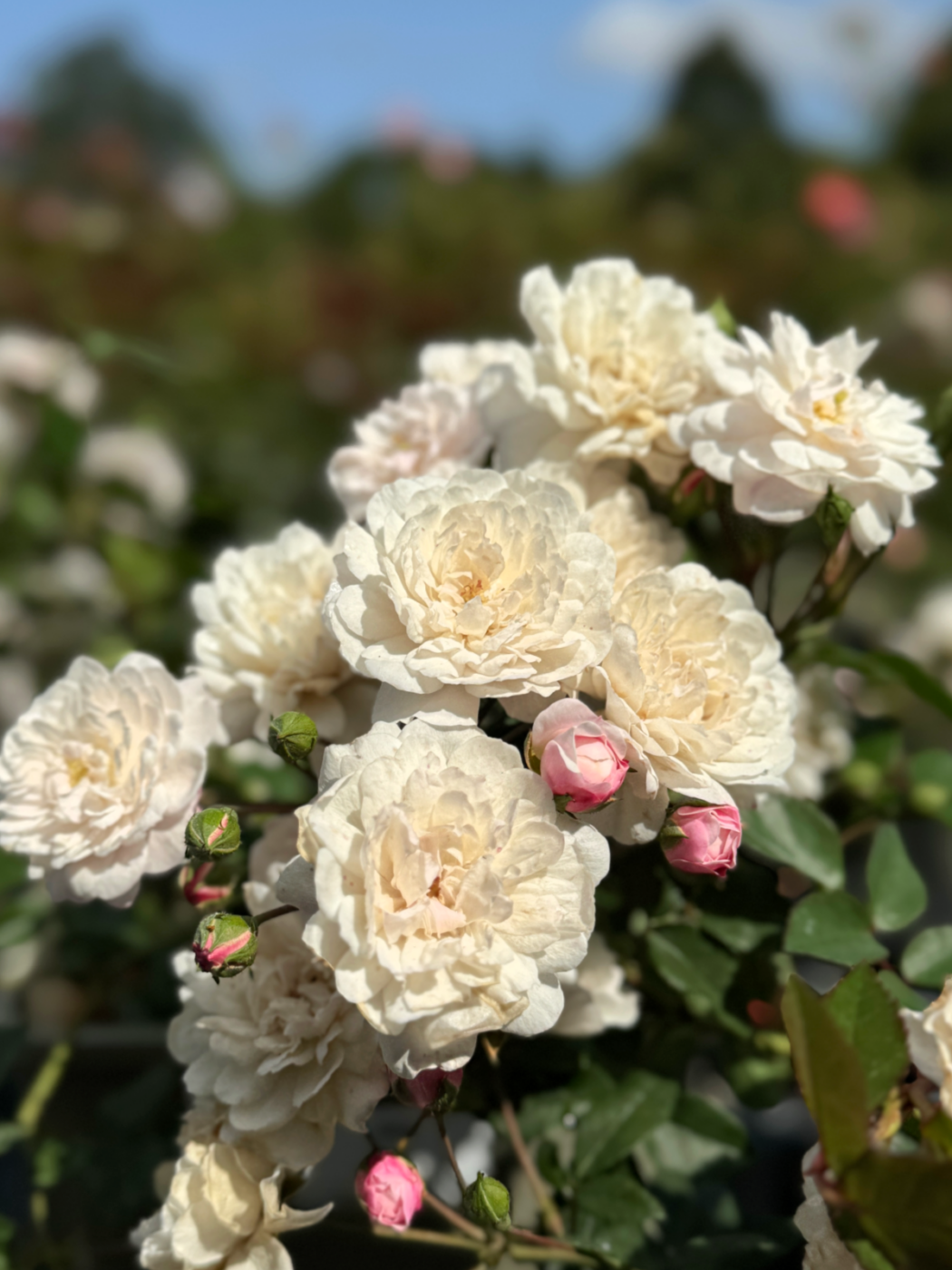
Patio Roses #
Features: Generally robust, these smaller varieties have clusters of small blooms that repeat flower, and are especially attractive to pollinators. Patio roses are small and compact, and therefore the perfect option for smaller gardens.
Planting: Patio roses grow well in containers, or as an edging to a border.
Pruning & Deadheading: Patio roses generally have a long flowering season and will repeat flower all the way through it, so deadheading can encourage more blooms to be produced. These varieties generally benefit from a hard pruning every year, ideally in early spring after the frosts have finished.
Climbing Roses #
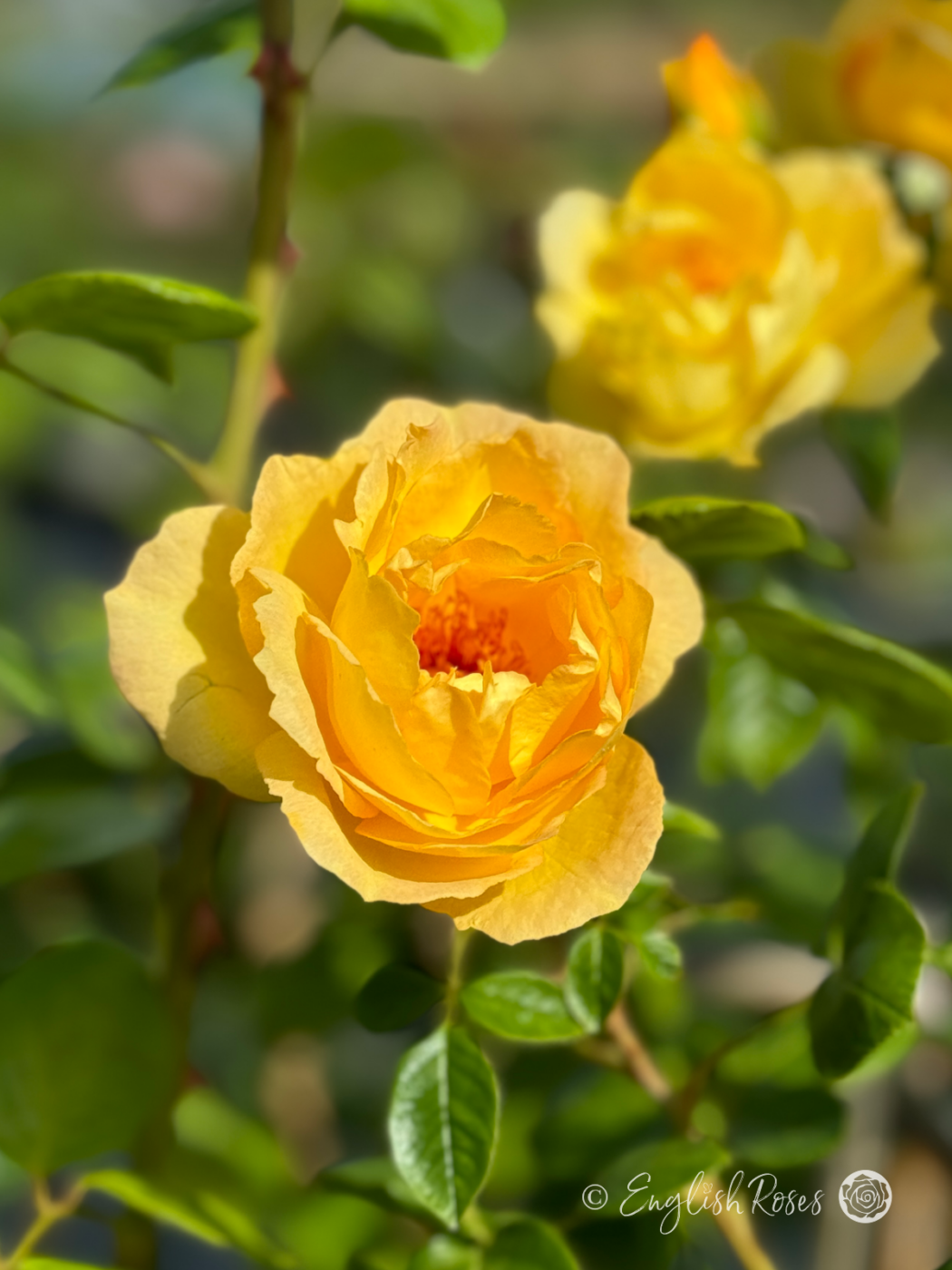
Features: Climbing Roses are perfect for giving your garden a vertical accent. This variation of rose grows upwards, covering walls and fences, and covering arches, arbours and pergolas. Although slower growing than a rambler, most varieties of climbers repeat flower through the season.
Planting: Make sure your climbing rose has room and support for upward growth. Climbing roses can make wonderful features in large containers, growing up obelisks and trellises. They can also be planted at the base of arches and pergolas, to be grown up and over for cover, or even at the back of beds and borders.
Training: Train Climbers horizontally for maximum flowering, and after three or four years start to remove the old stems (one per year) towards the bottom of the rose. This will promote newer growth lower down, so you get flowers all along the plant and not just at the top.
Pruning & Deadheading: Most Climbers will repeat flower throughout the season, so deadheading can encourage more blooms to be produced. Climbers flower on this year’s new growth, so they should be pruned in the spring down to the height you require, plus remove any dead wood. This will promote new growth for this year’s flowers.

Patio Climbing Roses #
Features: A Patio Climber is a smaller version of the climbing rose, best suited for trellises and obelisks than arches and arbours. We have a small selection of patio climbers, and you will find them with our climbing roses – just check the measurements and description to see where it is best suited for.

Rambling Roses #
Features: Rambling roses are more vigorous growers than climbing roses. They produce large clusters of usually small and fragrant flowers, in one big flowering flush in early summer. Many varieties also produce stunning hips in the autumn, which are attractive to wildlife as well as pretty to look at.
Planting: Ideal for covering large walls or pergolas, these can also be grown into trees and hedges to give an attractive effect. As vigorous growers they need strong support, and do best in sunny areas.
Training: When growing up large arches or pergolas, twist the growth around the upright pillars to provide support and have maximum flower coverage.
Pruning & Deadheading: Ramblers generally flower in flushes (the number of flushes depends on the variety), so wait for the flush to finish before deadheading. When it comes to pruning, it is important to remember that Ramblers flower on the previous years growth, so if the rose is pruned in spring you will remove all the new stems and end up with no flowers. The correct time to prune Ramblers is just after the last flush has finished flowering, as they will then start to produce new wood for the next years blooms.
Scented Roses #
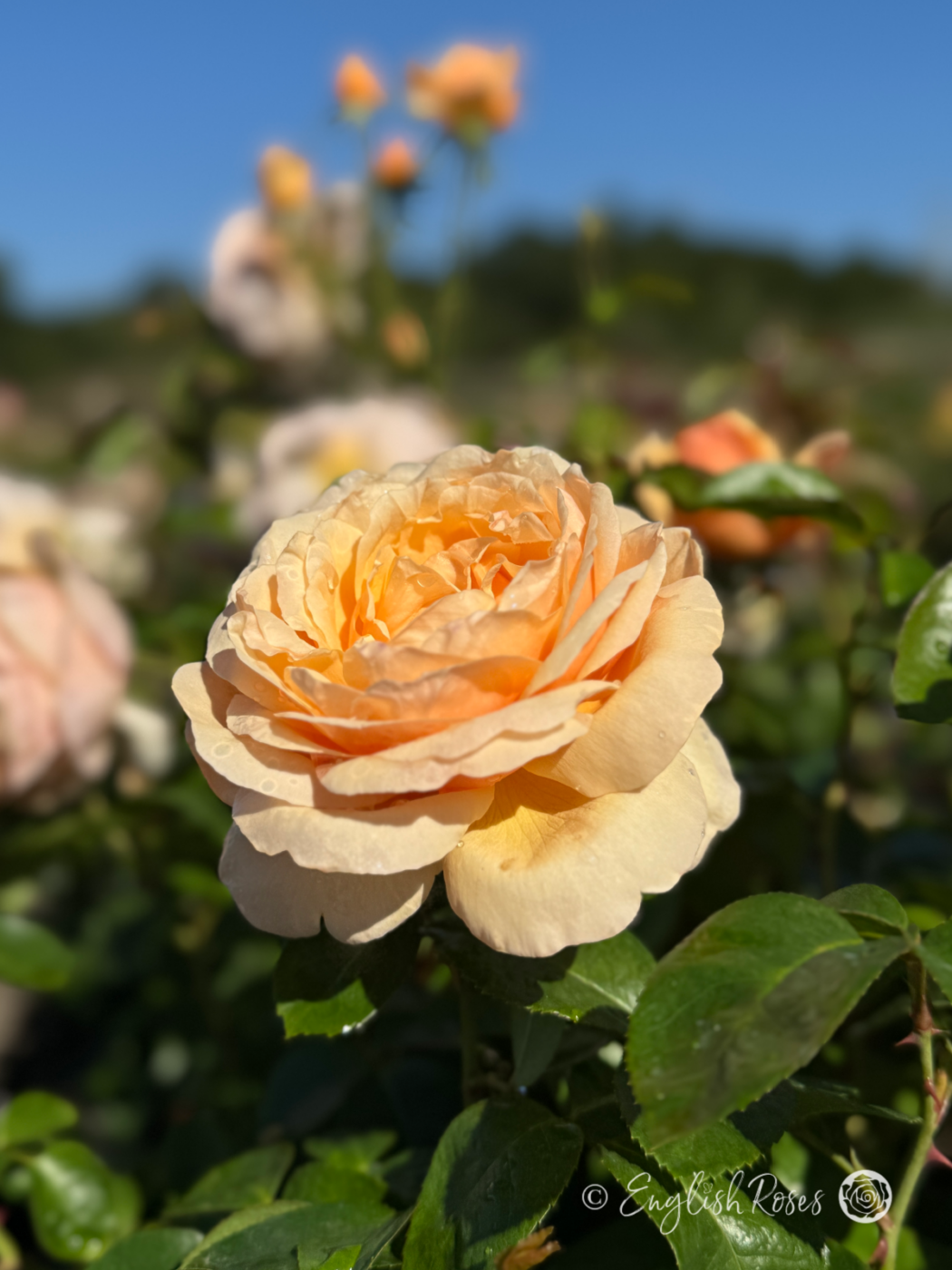
Features: Typically the first thing that comes to mind when thinking of roses is the smell, but not all roses have the same fragrance or strength. Here we have a selection of all the above types of roses, but with the added condition that they smell incredible! A feast for all the senses, these beautiful roses will enhance any garden.
Alba Roses (Old Fashioned Roses) #
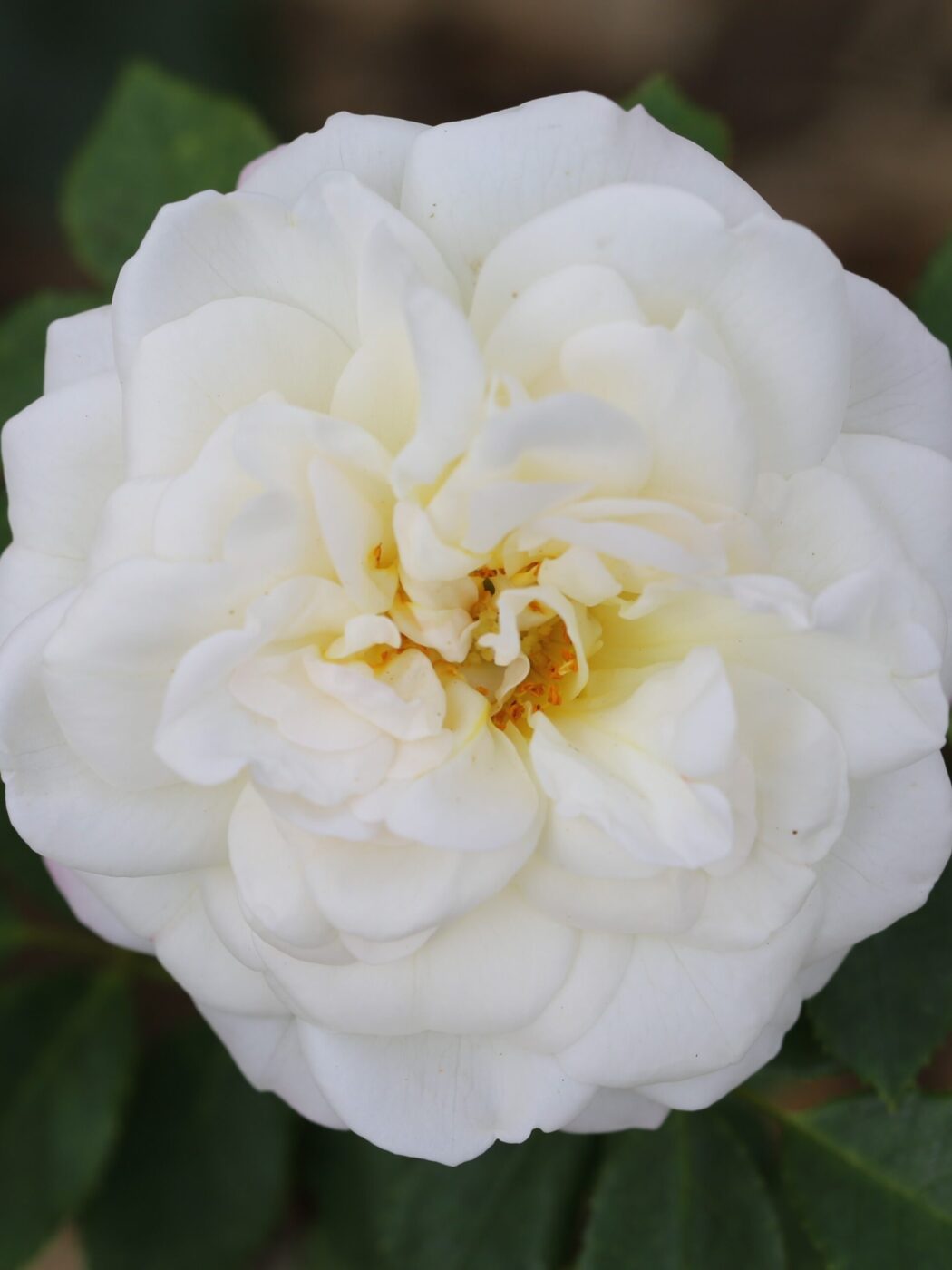
Features: Alba roses flower in one large mid-summer flush, releasing an unrivalled fragrance. Alba Roses are most known for their important symbolism throughout history. The original Alba Rose is famously known as the White Rose of York, tracing its history back to the 1400s. A close relative, Alba Maxima Rose, was later adopted as the emblem of the Jacobites 1700s.
Planting: Alba roses are very hardy, withstanding partial shade and poor soils, and so ideal additions to any garden. Incredibly healthy and vigorous growers, they have excellent disease resistance, and require little maintenance.
Watering: Alba roses are particularly thirsty varieties and prefer moist soil, so water regularly especially if continerised or in hot weather.
Pruning: & Deadheading: Albas flower in a large mid-summer flush, so regular deadheading will not encourage more blooms to be produced, but will keep the bush looking tidy. Albas grow on old wood so it is advised to not prune for at least the first 3 years after planting. Once established, prune lightly after flowering, but Albas require little maintenance.
Gallica Rose (Old Fashioned Rose) #
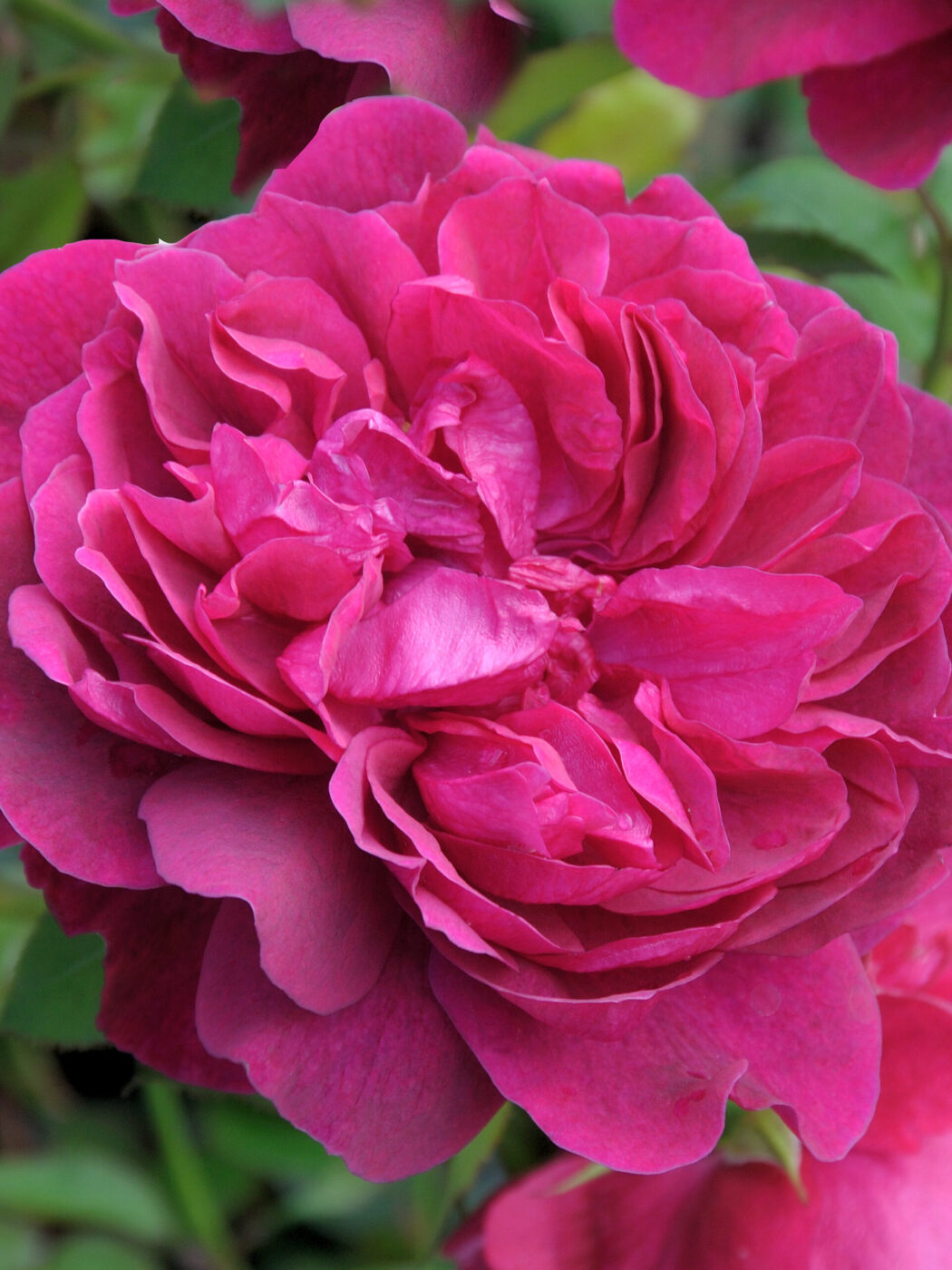
Features: Gallica roses are a historic group of roses, one of the first species of rose to be cultivated in Europe, and renowned for their wonderful fragrance. These old-fashioned shrub roses do not repeat their flowers, and instead bloom in a large mid-season flush.
Planting: With a bushy growth habit, these incredibly hardy roses flourish even in poor soils. Ideal for beds and borders, these old-style roses can enhance both formal settings and relaxed country-style gardens.
Pruning & Deadheading: Much like Albas, Gallica roses flower in a large mid-summer flush, so regular deadheading will not encourage more blooms to be produced, but will keep the bush looking tidy. Very little pruning is needed (or wanted), just remove any old, dead wood as and when required.
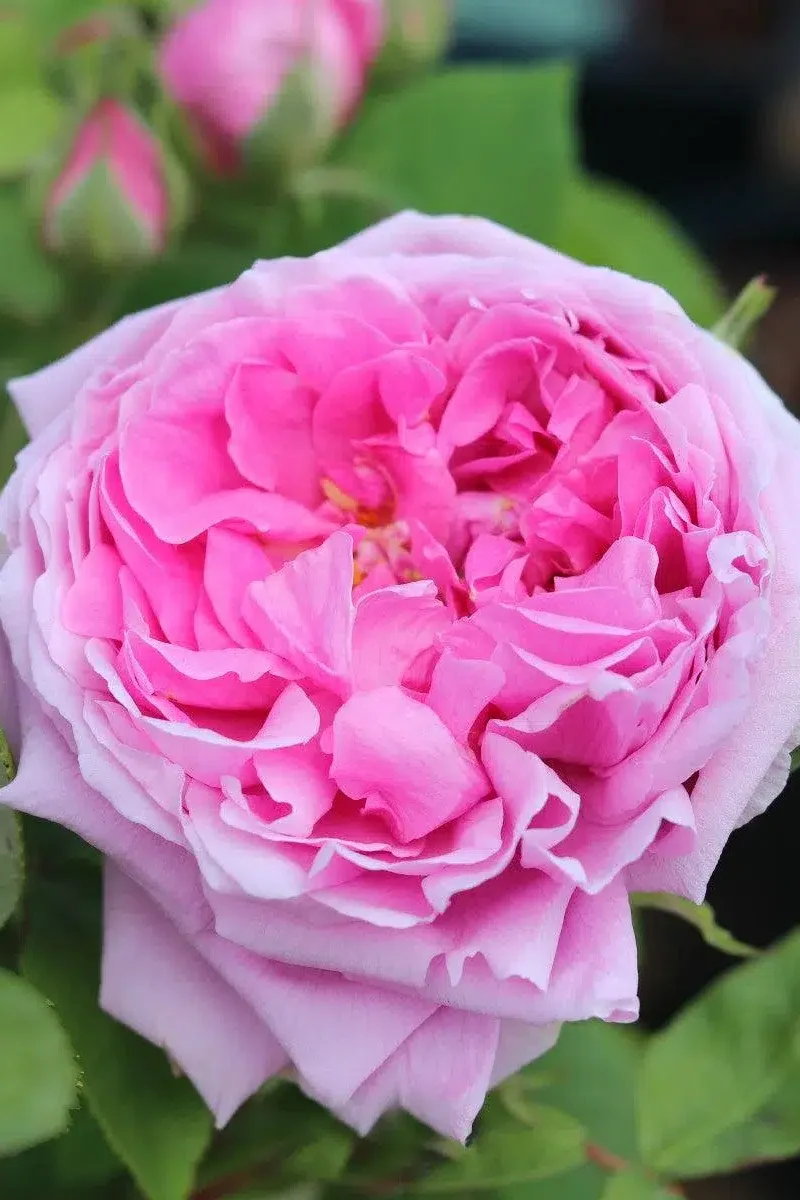
Portland Roses (Old Fashioned Roses) #
Features: Portland Roses were developed by the Duchess of Portland in the early 1800s. Vigorous and very hardy, these old fashioned roses repeat flower throughout the summer. Well fragranced, and with beautiful classic-looking blooms, Portland roses are characterised by blooming “on the shoulder”; having very little stem between the bloom and the first foliage, resulting in blooms that seemingly rest on the foliage.
Planting: Portlands are very hardy and tolerant of poor soils, so make ideal additions to any garden.
Pruning & Deadheading: As a repeat flowerer, deadheading through summer will encourage more blooms. Before growth starts in the spring (but after the frosts have subsided), give a light prune to tidy up and remove any dead or twiggy stems.
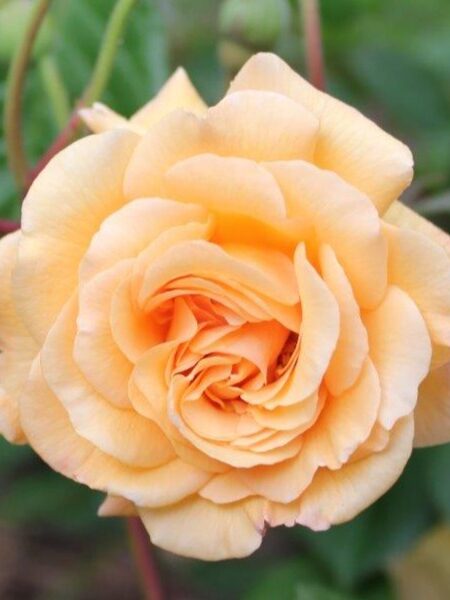
Hybrid Musk Roses (Old Fashioned Roses) #
Features: Hybrid Musk Roses are characterised by their strong, musky fragrance. They were developed in the early 1900s by Reverend Joseph Pemberton. Producing large trusses of flowers, they flower in abundance in early summer and then repeat flower intermittently as the season progresses. With long, graceful growth, they are nearly thornless and particularly attractive to bees and other pollinators.
Planting: Like most old fashioned roses, the Hybrid Musks are healthy, vigorous growers, and tolerant of poor soil conditions.
Pruning & Deadheading: Hybrid Musks respond well to deadheading, encouraging more flowers to be produced throughout the season. They require little pruning – just give a light tidy up once the frosts have passed.
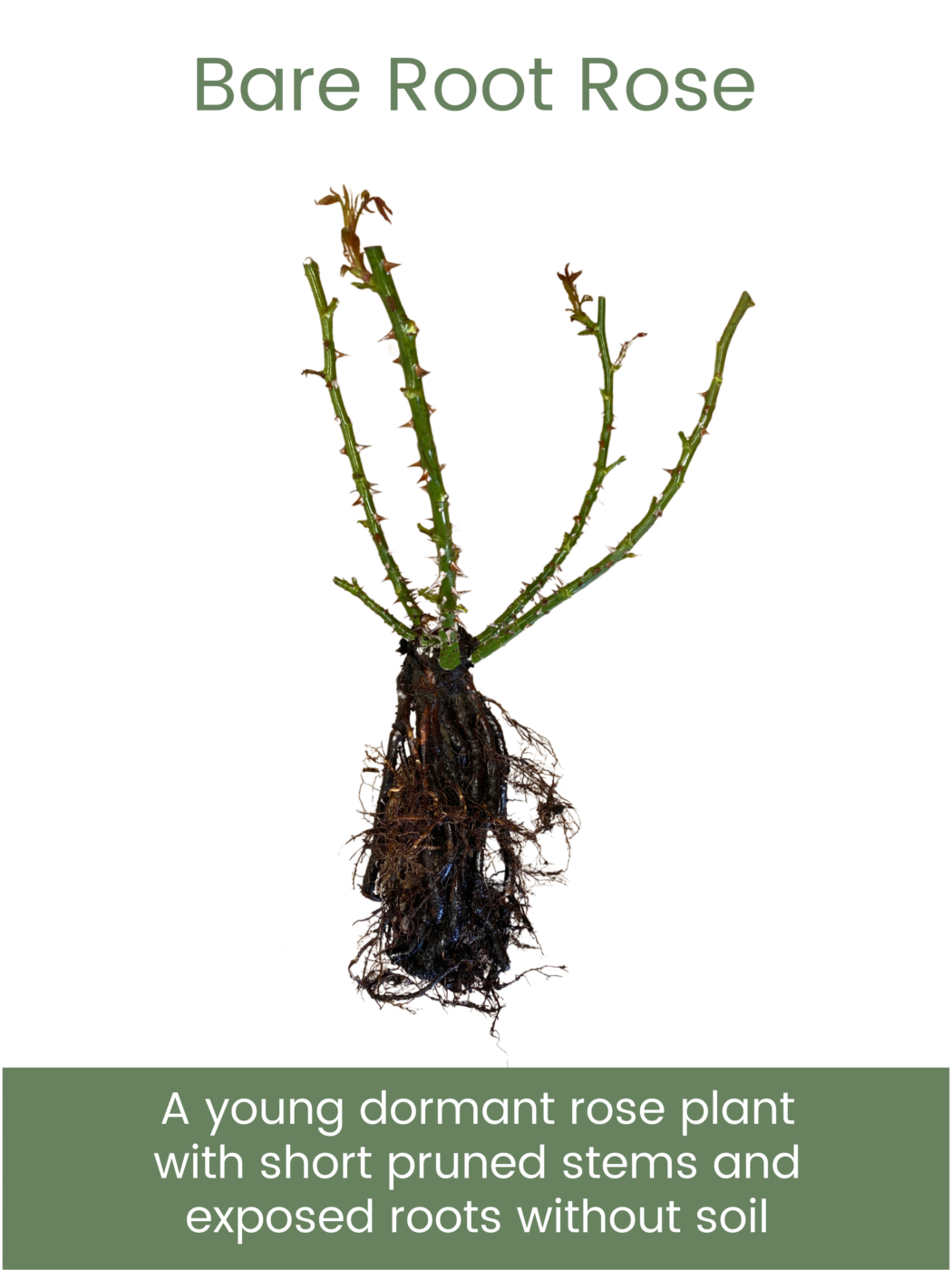
What is a bare root rose? #
‘Bare root’ makes reference to the way the roots are packaged, and is not a specific ‘type’ of rose. Floribundas, hybrid teas, patio, and climbing roses can all arrive bare root. Bare root roses are young dormant rose plants that have short pruned stems and exposed roots without soil. They are lifted from the ground during the winter months after 18 months of growth and soon packaged for delivery. Arriving unpotted without foliage or flowers, they are ready for planting straight away where they will make fast shoot growth in the spring.
What is the difference between bare root roses and potted roses? #
Bare root roses are younger plants in their dormant phase, and are delivered without soil – hence the term ‘bare root’. They have no foliage or flowers, and arrive with short, pruned stems and exposed roots. They need planting in the garden right away, ready to establish their root system in preparation for growing in the spring.
Potted roses however are already established, allowing for year-round planting into either the ground or containers. Arriving potted in large 5.5L containers, and planted in peat-free compost, they can stay in their container until the end of the season. Alternatively, your rose can be potted into our 14L willow basket, which would keep it happy and growing for approx 2 years before needing replanting.